SCIENCE // PLANETARY EXPLORATION
Beneath the Ice of Jupiter’s Europa: Inside the Mission Hunting for Chemistry in a Subsurface Alien Ocean
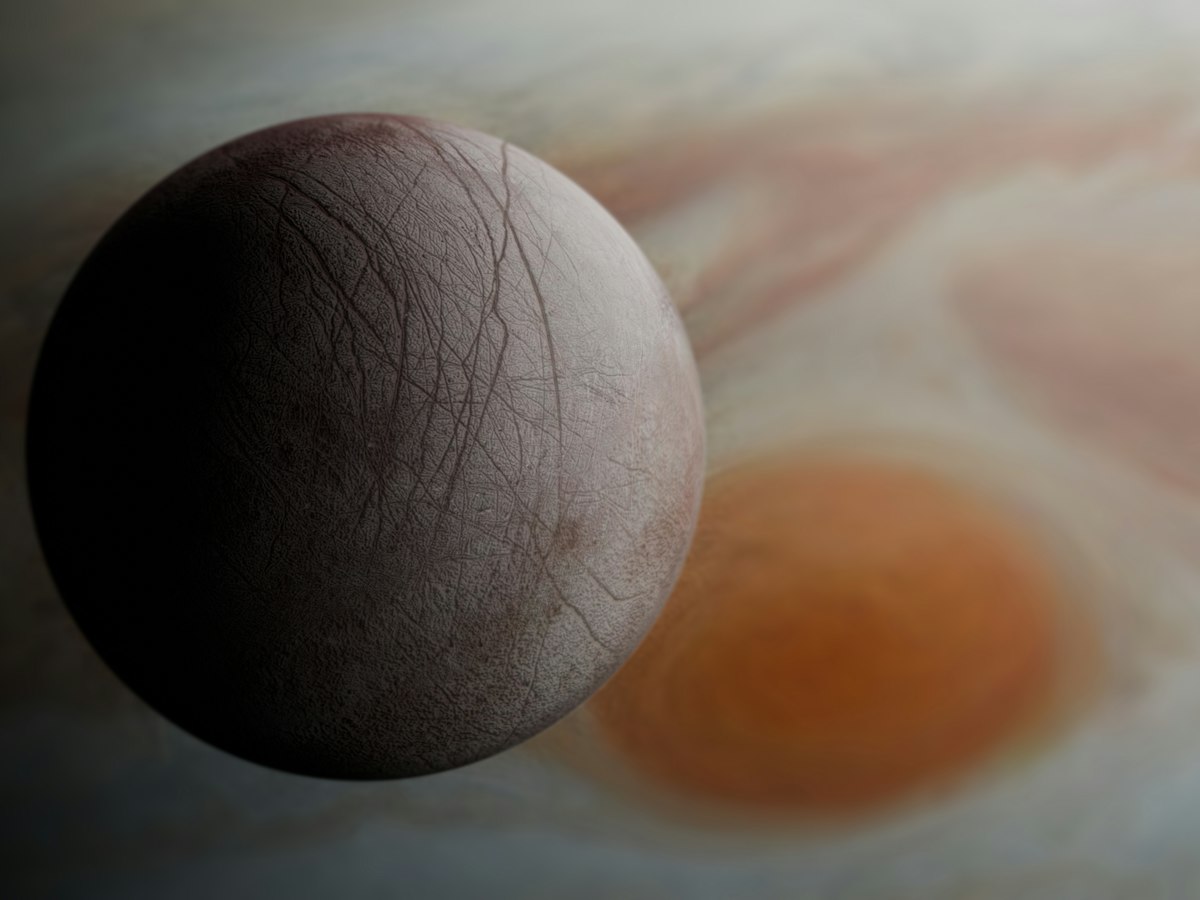
Containing twice the liquid water of all Earth's oceans combined, Europa's tidal-heated depths may be our solar system's most promising abode for life.
★ ASTROBIOLOGY & TELESCOPES
SCORE: 9.4/10
Celestron SkyMaster 25x70 Giant Astronomy Binoculars & Tripod Adapter
ESTIMATED PRICE: $99.95
WHY WE RECOMMEND IT
- ✓ Clearly resolves Jupiter's four Galilean moons from your backyard
- ✓ Unbeatable value for entry-level stargazing
KEEP IN MIND
- ✕ High 25x magnification requires a standard camera tripod for steady viewing
When Arthur C. Clarke wrote 2010: Odyssey Two, he famously warned humanity to stay away from Europa. Planetary scientists, thankfully, ignored him—equipping modern probes with ice-penetrating radar and mass spectrometers.
Tidal Flexing and Hydrothermal Vents
Locked in a Laplace orbital resonance with Io and Ganymede, Europa’s silicate mantle is kneaded by Jupiter’s immense gravity. That tidal dissipation keeps a global saltwater ocean liquid beneath a 15-to-25-kilometer ice shell, potentially fueling alkaline hydrothermal vents remarkably similar to those that sparked life on primordial Earth.